Hayward renter protections
Hayward Rent Control & Tenant Protections (2026)
Hayward rent control generally limits a regular increase on an occupied covered rental unit to 5% or less once in 12 months. Banked increases, approved capital-improvement pass-throughs, and fair-return increases follow separate rules. California’s standard security-deposit cap is one month’s rent, separate from the first month’s rent, with a narrow two-month exception for certain small landlords that does not apply when the prospective tenant is a service member. The statewide deposit rule applies whether or not Hayward’s local rent limit covers the unit.
Policy information verified 2026-09-10. Plain-English orientation only, not legal advice. Confirm your address, notice, and effective date with the city or a qualified tenant attorney.
Protection snapshot
What are the current rules for Hayward?
A quick read of the current local rule. Confirm the exact address, notice date, and exemptions with the city.
Local rent increase
5.0%
A regular increase may be 5% or less once in a 12-month period; disputes start with meet-and-confer, then voluntary mediation, then arbitration if mediation fails or is waived
Banked increases, capital-improvement pass-throughs, and fair-return increases have separate limits and approval rules
Source: Hayward — landlord program overview ↗Typical local coverage
1979
General building-year cutoff
The rent-review threshold generally applies to multi-unit properties built before July 1, 1979.
- Property size
- 2+ units
- Common cap exemptions
- condo, single family, adu
Just-cause protection
Most rentals have local just-cause protection
Most Hayward rentals receive local tenant protections, including just cause and protections against harassment and retaliation.
Source: Hayward — tenant rental resources ↗Renter checklist
What to check before you act
Work through these in order. Each item includes the city or state research behind it so you can verify the rule for your own notice.
Confirm whether the local rent rule covers your unit
What to verify: Find the certificate-of-occupancy or first-rented date, total units at the property, and legal home type.
What the research says
About half of Hayward rental units are subject to the city’s rent-increase limits and review process. Check the address database. The rent-review threshold generally applies to multi-unit properties built before July 1, 1979. A regular increase above 5% is not automatically permitted. Banked increases and City-approved capital-improvement or fair-return increases follow separate rules. A renter in a covered unit can petition to dispute an increase above 5%.
Read the official source: Hayward — Rent Review Database ↗Match the increase to the correct rate period
What to verify: Use the date the increase takes effect—not only the date printed on the notice.
What the research says
5% regular rent increase. A regular increase may be 5% or less once in a 12-month period; disputes start with meet-and-confer, then voluntary mediation, then arbitration if mediation fails or is waived. Banked increases, capital-improvement pass-throughs, and fair-return increases have separate limits and approval rules.
Read the official source: Hayward — landlord program overview ↗Identify the stated reason for an eviction notice
What to verify: Compare the notice with the city’s recognized at-fault or no-fault grounds and filing requirements.
What the research says
Hayward’s Residential Rent Stabilization and Tenant Protection Ordinance includes just-cause eviction rules as well as protections against harassment, retaliation, and source-of-income discrimination. Most Hayward rentals receive local tenant protections, including just cause and protections against harassment and retaliation.
Read the official source: Hayward — tenant rental resources ↗Check relocation assistance for a no-fault move
What to verify: Verify the notice reason, household qualifications, payment amount, and payment deadline.
What the research says
One month’s rent for qualifying no-fault evictions. Hayward’s relocation ordinance provides one month’s rent in qualifying no-fault situations. The reason for the notice and the unit’s coverage still need to be checked.
Read the official source: Hayward — relocation assistance ↗Document the security deposit from move-in through move-out
What to verify: Keep the lease, deposit receipt, dated photos, inspection records, and any deduction receipts.
What the research says
Hayward Municipal Code section 12-1.11 directs landlords to collect and administer security deposits under state law. The current ordinance does not impose a general local requirement to pay interest on deposits. These statewide rules apply to residential rentals whether or not Hayward’s local rent-increase limit covers the unit. California’s standard cap is a security deposit equal to one month’s rent, in addition to any first month’s rent paid on or before move-in.
The two-month exception applies only when both conditions are met:
- The landlord is a natural person or a limited liability company whose members are all natural persons.
- The landlord owns no more than two residential rental properties totaling no more than four dwelling units offered for rent.
For this exception, the statute’s definition of “natural person” includes a natural person who is a settlor or beneficiary of a qualifying family trust. A family trust is a revocable living trust or an irrevocable trust whose settlors and beneficiaries are related to one another as siblings, spouses, domestic partners, children, parents, grandparents, or grandchildren.
The exception does not apply when the prospective tenant is a service member, who remains under the standard one-month cap.
State law also limits deductions to specified uses and generally requires the landlord to send an itemized statement and return the remaining deposit no later than 21 calendar days after the renter vacates.
Know the local review or challenge process
What to verify: Keep the notice and follow the city’s sequence before a response deadline passes.
What the research says
Search the city’s Rent Review Database by address before estimating coverage. Compare the notice with the regular 5% once-per-12-month rule, then verify whether a banked increase or City-approved exception applies. After a petition, meet and confer first. If the dispute remains unresolved, mediation is voluntary; arbitration follows if mediation fails or is waived.
Read the official source: Hayward — rent review petitions and forms ↗
Fairway tracked inventory
What active rentals are asking
Latest unit update Nov 6, 2026
Median asking rent · All
$2,725
569 active units across 264 properties
Rentals available now in Hayward
Live listings with a Fairway data quality score above 80.
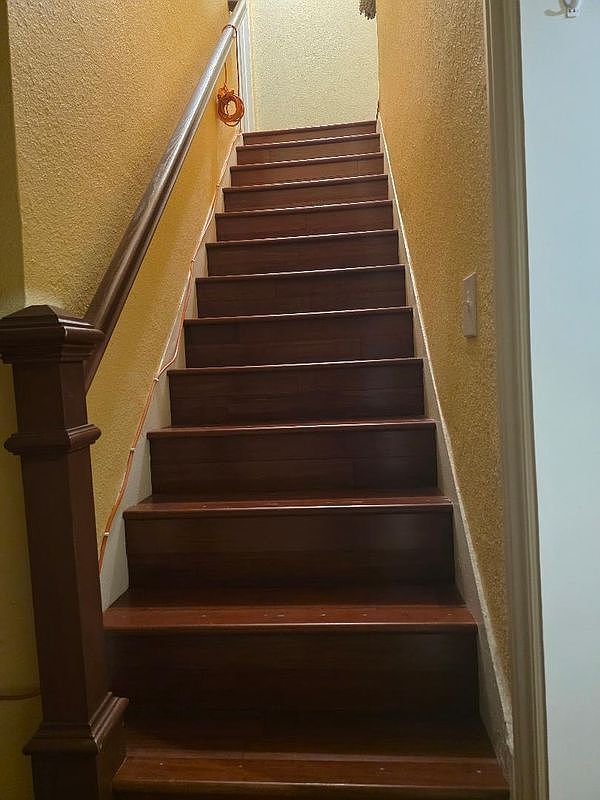
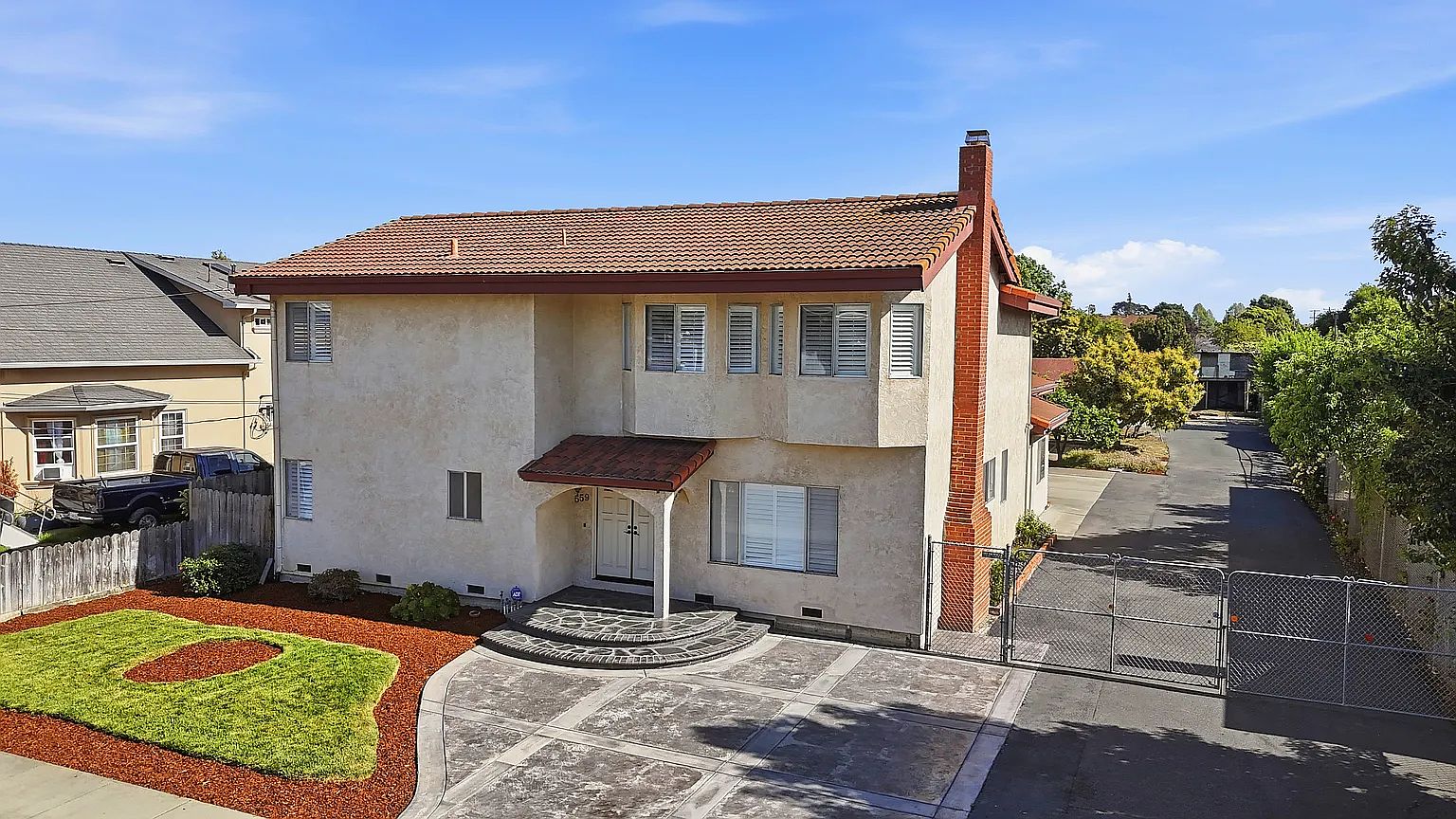
A landlord can often reset to a market rent after a genuine voluntary vacancy, so today's asking rents may sit above a covered tenant's capped rent.
Browse Hayward rentals →Active units tracked by Fairway, updated in the last 45 days. Discounted asking rent is used when available; otherwise base asking rent. These are asking rents, not signed-lease rents, and the sample is Fairway's tracked inventory rather than every rental in Hayward.
Show the work
Official sources
Every headline rule above links back to a city or state source. Rates and payment schedules can reset during the year.
- Hayward — tenant rental resources
- Hayward — Rent Review Database
- Hayward — landlord program overview
- Hayward — rent review petitions and forms
- Hayward — rent stabilization ordinance
- Hayward Municipal Code § 12-1.11
- Hayward — relocation assistance
- California Attorney General — security deposits
- California Civil Code § 1950.5
Put the market context to work
See real rentals in Hayward.
Search Fairway's current inventory, then use this guide to ask better questions about the building before you apply.
Optional: third-party city context (Niche)School, safety, and lifestyle scores. These do not measure tenant-protection coverage.
City context · Niche
A second lens on the city
- Population
- 158,801
- Niche median rent
- $2,391/mo
Niche data is a separate third-party context source and does not measure tenant-protection coverage. View the Niche profile ↗