First apartment
First Apartment Checklist: What to Do and Buy Before You Move
Use this first apartment checklist to budget, tour, review the lease, pack a first-night box, and buy only the room-by-room essentials you need.
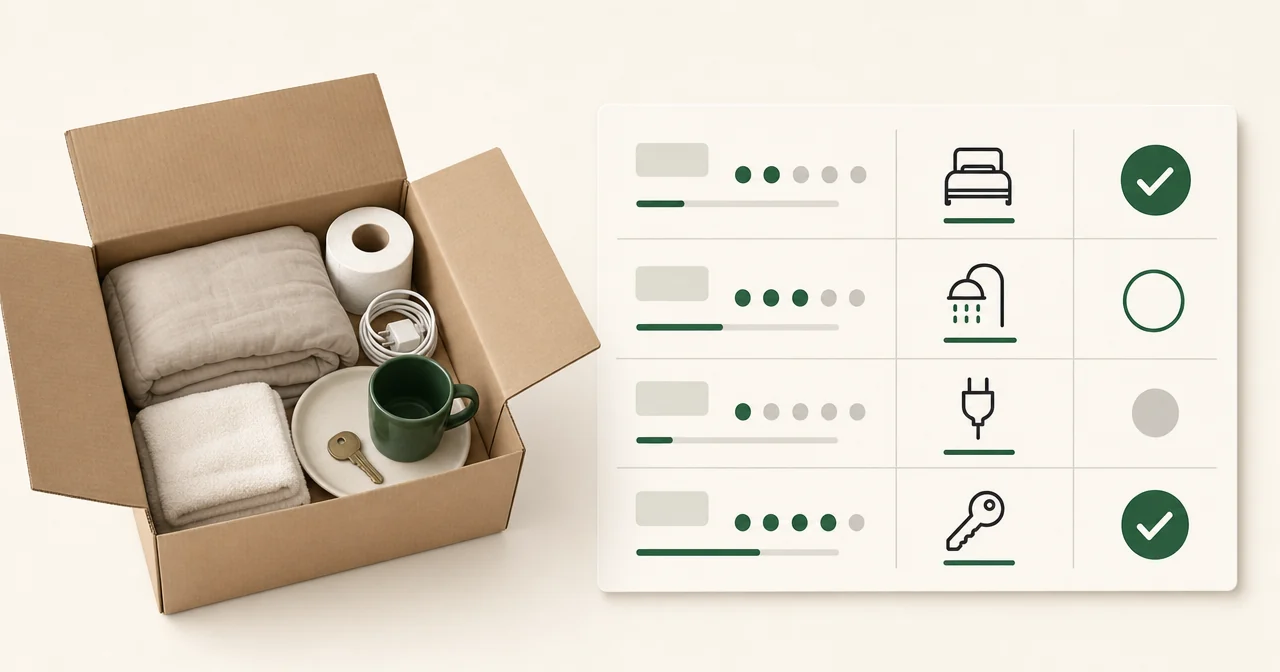
Your first apartment needs more than a mattress and a shower curtain. There is the budget, the search, the application, the lease, the utility calls, the empty-unit walkthrough, and then the boxes full of things you may or may not need.
A useful first apartment checklist covers that whole path. It also keeps the shopping part small: enough to sleep, shower, eat, charge your phone, clean a mess, and handle a minor emergency. Use this as a sequence, not a test you have to finish before move-in day.
The rental and move-in process at a glance
- Set an all-in monthly limit and a separate move-in cash limit.
- Choose your move window, commute boundary, and three to five must-haves.
- Confirm what each apartment includes before you budget or shop.
- Track viable listings in one place and verify who is offering them.
- Tour the exact unit with the same functional checks every time.
- Ask for the screening criteria, fee schedule, and document list before applying.
- Review the full lease and put every promise or negotiated change in writing.
- Arrange renters insurance if required or chosen, plus the utilities you must start.
- Confirm key handoff, loading, parking, elevator, and move-in rules.
- Measure rooms and doorways before ordering furniture.
- Coordinate lease details and shared purchases with roommates.
- Pack one first-night kit and keep it easy to reach.
- Document the empty apartment before boxes cover anything.
- Test permitted basics, find the exits, and save maintenance contacts.
- Buy the day-one essentials, then add the rest after you use the space.
First apartment essentials: buy now and buy later
A first apartment essentials list should make the place usable, not fully furnished. These are the needs to cover first:
- A safe sleep surface, one bedding set, and a pillow
- Toilet paper, soap, a towel, toiletries, and a plunger
- A shower curtain, liner, and hooks if the apartment needs them
- Medication, health devices, and accessibility items
- Water, simple food, and one place setting per person
- One pot or pan, knife, cutting board, and utensil if you will cook
- A phone charger and usable light
- Trash bags, cloths, and one surface-safe cleaner
- A flashlight and small first-aid kit
These can usually wait until you measure and live in the space:
- Large living-room furniture and a TV setup
- Matching dishes, cookware sets, and specialty appliances
- Extra linens, guest supplies, and duplicate kitchen tools
- Storage bins and organizers for spaces you have not used yet
- Rugs, art, plants, and other decor
The room-by-room list later in this guide adds only the useful conditional items, not everything a household store can sell you.
1. Set a budget before a listing sets it for you
The first attractive listing can make every limit feel negotiable. The rent is a little high and the commute is a little long, but look at those windows.
Choose the limits while you are still looking at your own numbers, not a kitchen island.
Build two limits
Start with two separate totals:
- Your all-in monthly ceiling: rent, required recurring fees, realistic renter-paid utilities, renters insurance, parking, pet charges, internet, laundry, and any meaningful change in transportation costs.
- Your move-in cash ceiling: application or screening charges where allowed, prepaid rent, refundable deposits, utility setup, moving costs, and basic household setup.
Keep refundable deposits separate from money you will spend. You still need the cash before move-in, but a potentially refundable deposit is not the same as a nonrefundable application or moving fee.
There is no one rent percentage that can see your debt, childcare, health costs, commute, savings goals, or unstable income. The Consumer Financial Protection Bureau's monthly budget worksheet starts from actual income and spending. That is more useful than forcing every household into the same rule.
Ask every property for a written list of required charges and which utilities you pay. The Census Bureau defines gross rent as contract rent plus renter-paid utilities and fuels. Use the same basic logic when you compare apartments: the advertised rent does not tell you the full monthly cost.
Decide what cannot move
Write down three to five real constraints. These might be:
- a move-in date you cannot change
- enough bedrooms for the household
- a peak-time commute limit
- an accessible route or specific in-unit feature
- a pet policy that works for your household
- required parking
Then rank the things that can bend. If the search is too narrow, would you expand the area before raising the budget? Give up a gym before in-unit laundry? Accept less space before adding another commute transfer?
Searching with roommates or a partner? Agree on the all-in limit, bedroom split, lease names, utility plan, pets, guests, and what happens if someone leaves early. Decide who owns each shared purchase too, and remember that a roommate agreement does not change the lease or authorize a replacement renter or sublet. One vacuum is useful. Three vacuums are a group-chat failure.
Fairway's apartment hunting guide goes deeper on tracking listings, confirming deal-breakers, and comparing finalists without creating more tab chaos.
2. Tour, verify, and prepare your application
The goal of a tour is to learn what the listing cannot show. It should not be the moment you discover that the exact unit is different, the fees break your budget, or your application cannot meet a stated rule.
Tour the apartment you would actually lease
A model can show the floor plan. It cannot show the exact unit's view, light, noise, appliances, locks, water pressure, cell signal, or neighbor-facing bedroom wall.
When possible, walk through the apartment named in the lease. Use the same short check each time:
- Open, close, and lock exterior doors and accessible windows.
- Run hot and cold water, flush the toilet, and watch how sinks and tubs drain.
- Test representative lights and outlets with your charger, with permission.
- Try included appliances and check for visible leaks or damage.
- Look around windows, ceilings, sinks, vents, and baseboards for stains, dampness, pests, or repairs that need an explanation.
- Check usable exits, alarms, heating and cooling controls, laundry, parking, mail, trash, and package access.
- Confirm internet options for the exact address and unit.
Do not test an outlet that is loose, cracked, scorched, warm, wet, sparking, or near exposed wiring. Report it and keep clear.
This is a practical comparison list, not a substitute for a local housing inspection or building code. Ask which problems will be fixed before possession. Put the item and completion date in writing rather than relying on a friendly comment during the tour.
Verify before you send data or money
Independently confirm the property manager, owner, or agent through contact details you found yourself. Use the verified company's official application and payment route.
The Federal Trade Commission warns that copied listings and even access to a self-guided tour can be used in scams. A working key does not prove that the person messaging you is authorized to rent the apartment.
Stop if the address, unit, price, company, contact, or payee does not line up. Fairway's before-you-pay rental scam checklist walks through a fuller verification process.
Prepare what the property actually requests
Ask for the screening criteria, full fee schedule, application link, and document list before you submit. You may be asked for:
- photo identification
- proof of income or other financial support
- current and previous addresses
- landlord or personal references
- employment details
- voucher information when relevant
There is no single federal document packet for every private rental. Send only what the verified property requests, through its secure route, after you know which apartment and criteria you are applying for.
Checking your reports before a deadline can also prevent surprises. If a tenant-screening report contributes to a denial, higher rent, larger deposit, or co-signer requirement, the CFPB explains that the adverse-action notice must identify the reporting company and explain your right to a free report from that company within 60 days and your right to dispute inaccurate information. Fairway's guide to checking your rental history report covers the next steps.
3. Read the lease and set up the move
Approval is not the finish line. The lease is where the listing, fee sheet, tour promises, and future exit rules either become real or disappear.
Read the economics and the exit terms
Review the lease and every addendum. Confirm:
- the names, address, exact unit, start date, end date, and possession date
- contract rent, due date, payment method, grace period, and late charges
- every required one-time and recurring fee
- deposit amount, purpose, and written return terms
- utilities, services, appliances, parking, and storage included
- renters insurance requirements
- pet, guest, roommate, smoking, and noise rules
- maintenance responsibilities and repair-reporting process
- landlord entry, alterations, and lock rules
- renewal, rent-change, and notice language
- early termination, subletting, assignment, and move-out obligations
Put concessions, repairs, exceptions, and negotiated changes in the signed lease or an addendum. Keep the signed documents, receipts, and important messages somewhere you can reach outside the apartment.
What a landlord may charge, how a deposit is handled, and whether a clause is enforceable depend on state and local law. For a high-cost or unclear term, use USAGov's state tenant-rights and legal-aid directory before signing rather than guessing from a general checklist.
Arrange the boring things before key day
Use the lease to make a setup list for electricity, gas, water, trash, internet, and any building account. Contact the verified providers early enough to ask about start dates, appointments, access, identification, and possible deposits. The FCC's National Broadband Map can show provider-reported address availability, but confirm the exact unit and installation timing with the provider.
If renters insurance is required or fits your needs, compare the actual policy. A landlord's building policy generally does not protect your belongings or personal liability. Coverage, limits, deductibles, valuation, and exclusions vary, as the Washington Office of the Insurance Commissioner explains. Read the declarations and policy rather than treating every renters policy as identical.
Also confirm:
- key or fob handoff time
- loading and parking rules
- elevator reservation
- move-in hours and building access
- after-hours maintenance contact
- what the apartment already includes
- refrigerator, microwave, blinds, shower rod, laundry, trash bins, alarms, and extinguisher availability
Measure rooms, walls, doorways, and appliance spaces before ordering furniture. Submit a USPS change of address and update important senders directly. Keep medications, identification, lease details, keys, payment method, phone, charger, and accessibility items with you during the move.
4. Document the apartment before you unpack
Walk through the empty apartment before boxes cover the floors and walls. Photograph or record every room, then take close-ups of scratches, stains, holes, chips, leaks, pests, damaged fixtures, and missing items.
If the property supplies a move-in condition form or local law requires one, add each issue to it. Otherwise, create a dated room-by-room record. Send the form or record through a channel you can trace, and keep the original photos, videos, completed record, and proof of delivery. Government forms such as HUD's sample move-in/move-out report show the basic room-by-room approach, but your form and deadline depend on the lease and local law.
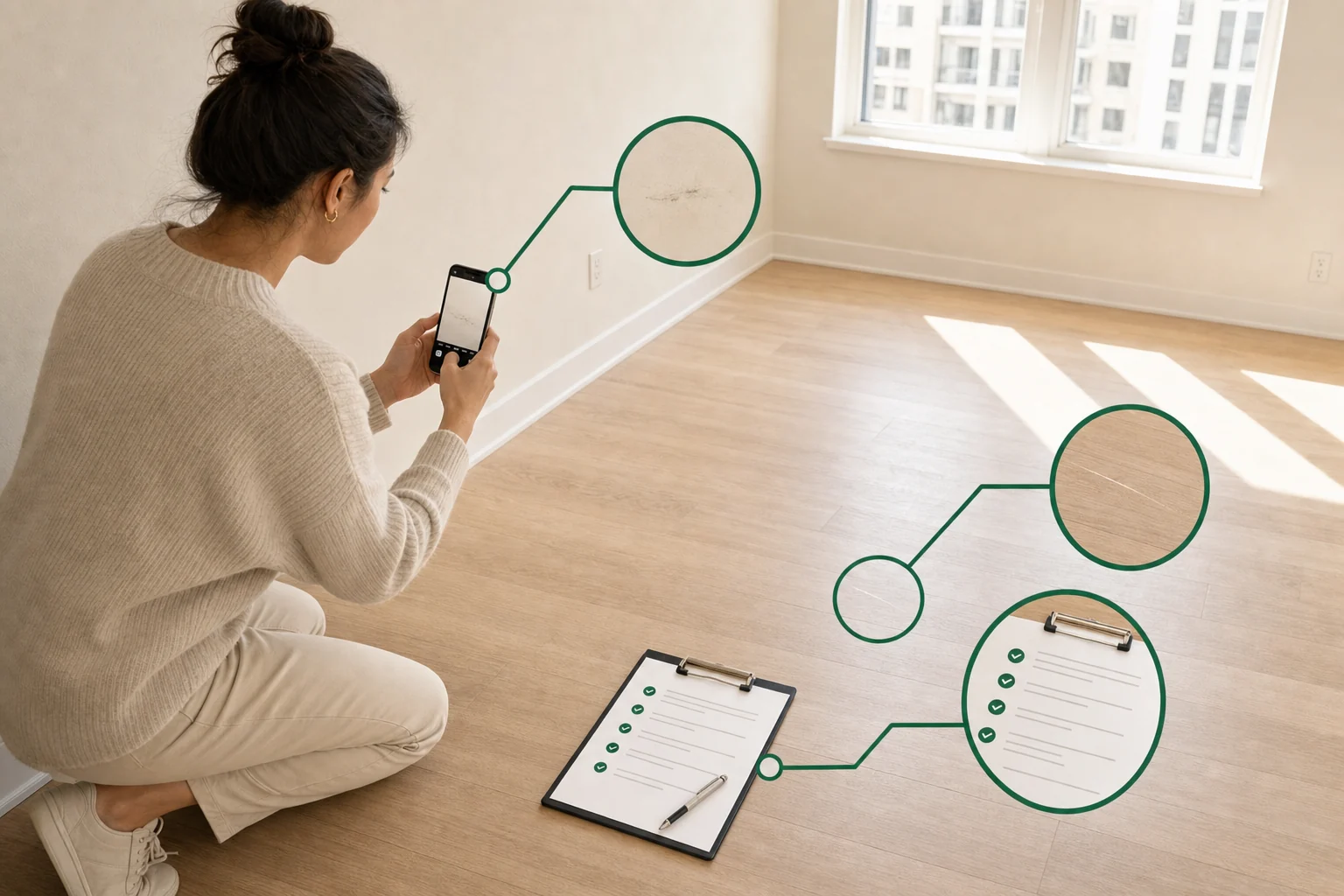
While the unit is still empty, test the basics you are permitted to test:
- Count the unit, building, mailbox, parking, laundry, and amenity keys or fobs.
- Check exterior doors and accessible windows for a secure close and lock.
- Turn on lights and test representative outlets with a charger.
- Run hot and cold water, flush toilets, and look for active leaks.
- Check the thermostat and included appliances.
- Test smoke and carbon-monoxide alarms according to their instructions.
- Find the fire stairs and exits, trash, mail, laundry, and emergency instructions.
- Save the management office and after-hours maintenance numbers.
Ask where the electrical panel and water shutoff are and what a renter is authorized to operate. Report missing alarms, broken locks, exposed wiring, plumbing problems, or other building-system failures. This is not the day to learn electrical work from a video.
If you smell gas or hear a gas leak, leave immediately. Do not use flames, switches, a phone, or other electrical equipment inside. Call 911 or the gas utility from a safe location, following CPSC guidance. If a carbon-monoxide alarm sounds or you suspect exposure, move outside to fresh air, call 911, and do not reenter until responders say it is safe.
The U.S. Fire Administration advises apartment residents to know the exits and stairs on their floor and report damaged safety equipment. Keep hallways, vents, sprinklers, alarms, and exit paths clear as the boxes come in.
5. Pack one first-night box
You do not need to unpack an entire adult life on move-in day. You do need to know where the toilet paper is.
Pack one box or bag marked OPEN FIRST. Keep it with you, or load it last so it comes off the truck first.
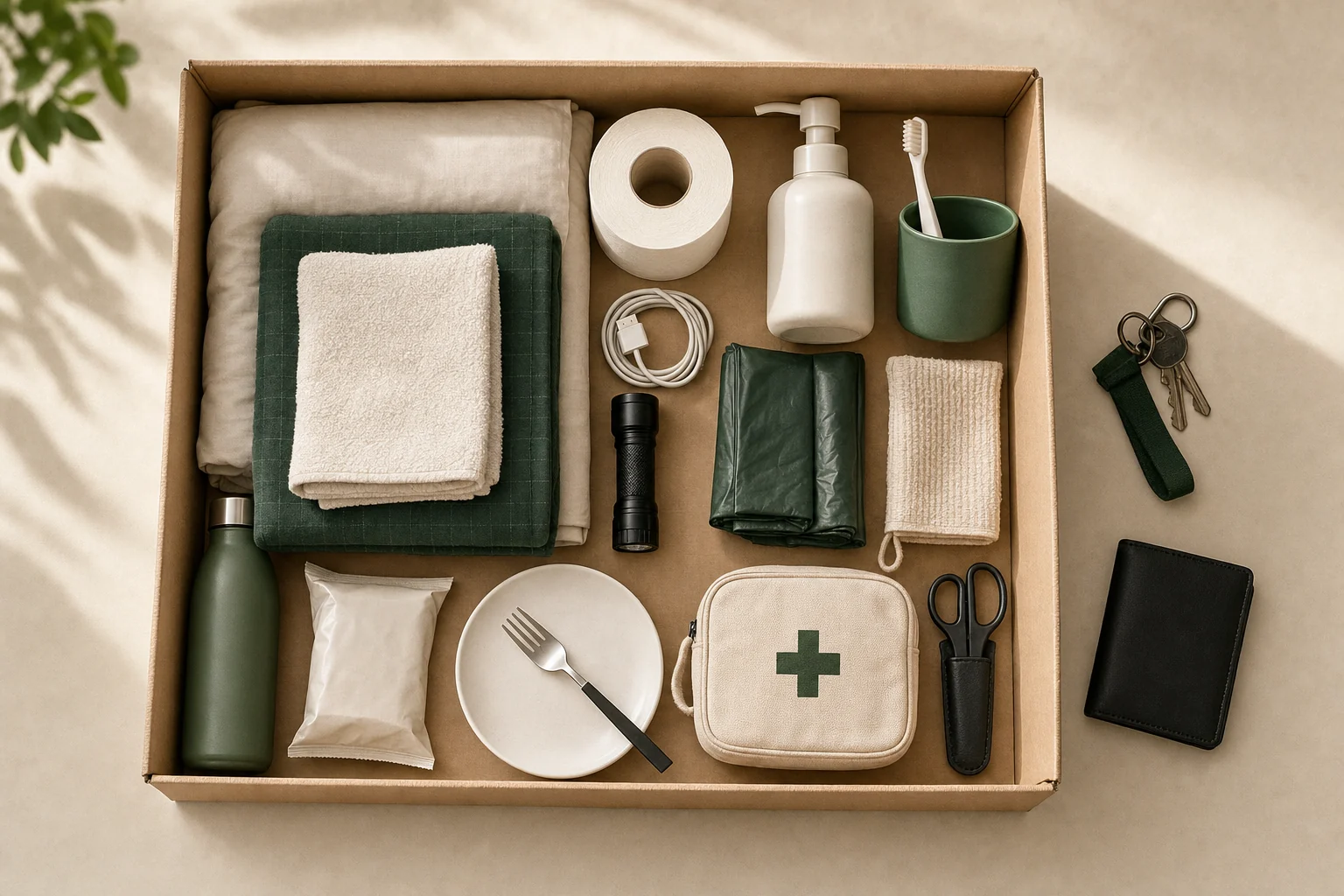
Keep these items with you
- prescription medications and health devices
- identification, lease and key details, and emergency contacts
- phone, charger, and portable battery if available
- keys, wallet, glasses or contacts, and accessibility items
- valuables and one change of clothes
Pack these first-night basics
- a safe sleep surface, bedding, pillow, and pajamas
- toilet paper, hand soap, toothbrush, toiletries, and a towel
- a shower curtain, liner, and hooks only if the bathroom needs them
- a plunger
- water, shelf-stable food or food kept safely chilled, and one place setting per person
- dish soap and a sponge or cloth
- one pot or pan, knife, cutting board, and cooking utensil only if you plan to cook
- trash bags, paper towels or reusable cloths, and one compatible cleaner
- covered scissors or a secured box cutter, kept away from children and pets
- flashlight, batteries, and a small first-aid kit
Set up the bathroom and sleep space first. Follow every cleaner's label, ventilate as directed, and never mix cleaning products, as the EPA advises. Wipe the surfaces you need, eat something, charge your phone, and stop. The coffee table can survive another night in pieces.
6. First apartment essentials by room
Start with what makes the apartment functional. Add first-week items when they reduce real friction. Let furniture, decor, matching sets, and specialty products wait until the layout and your habits show what is missing.
Bedroom
Start here:
- safe temporary or permanent sleep surface
- one set of bedding and a pillow
- phone charger
- a privacy covering or lamp only if the unit lacks one
Add when needed:
- permanent mattress or frame if you started temporarily
- hamper, hangers, and limited clothes storage
- second sheet set
Bathroom
Start here:
- toilet paper and hand soap
- towel and daily toiletries
- shower curtain, liner, and hooks if needed
- plunger
Add when needed:
- toilet brush and surface-safe cleaner
- bath mat and small wastebasket
- storage after you know what fits
Kitchen
Start here:
- one plate or bowl, cup, and utensil set per person
- dish soap, sponge, and trash bags
- water and simple food
Add during the first week:
- one pot or pan
- chef's knife and cutting board
- one cooking spoon or spatula
- can opener and oven mitt if your meals need them
- a few food containers
A matching dinnerware set, full knife block, specialty appliances, bakeware, and a fully stocked pantry can wait. One versatile item is better than a cabinet of things you do not use.
Cleaning and laundry
Start here:
- reusable cloths or paper towels
- one cleaner that is safe for the apartment's surfaces
- a broom or vacuum suited to the flooring
- laundry detergent when laundry is due
Add when needed:
- mop or floor-specific products
- toilet or appliance cleaners
- extra laundry supplies after you know the building setup
Living, work, and storage
Start here:
- a basic place to sit or work
- a usable light source if the room needs one
- privacy covering if none is supplied
Add when needed:
- couch, coffee table, end tables, TV, and media stand
- desk, shelves, rugs, art, plants, and decor
- organizers and storage bins after you know what must be stored and where it fits
Working from home may make a desk and supportive chair a day-one need. Someone who works elsewhere can wait. The checklist should follow your life, not a staged apartment photo.
Safety checks and household basics
Check or save now:
- smoke and carbon-monoxide alarms as applicable, tested according to their instructions
- management and emergency contacts
- keys, fobs, exits, and the building emergency plan
Buy if needed:
- flashlight and small first-aid kit
- a small screwdriver set, hammer, tape measure, and approved hanging supplies
- local weather or emergency supplies
- household equipment that the lease permits and the building does not supply
Secondhand furniture can cut setup costs. Inspect beds, couches, and other upholstered pieces before bringing them inside. The EPA specifically recommends checking used furniture for bed bugs before it enters the home.
7. Use the first week to finish the checklist
The apartment will tell you what it needs once you live in it. During the first week:
- Confirm that utility and internet accounts are active and save the confirmations.
- Make a belongings inventory with photos, approximate values, and receipts for insurance. Keep it separate from the move-in condition record.
- Learn the maintenance, trash, recycling, mail, package, laundry, parking, and guest systems.
- Test the real commute and routine errands.
- Update your monthly budget with the first known bills and required charges.
- Keep ownership of shared purchases clear with roommates.
- Buy the next item only when it solves a problem you have actually noticed.
Your first apartment does not need to look finished in the first week. Functional, documented, and affordable is the win.
Fairway is a free AI agent for renters that can take on some of the search work before key day. Tell it what you need, and Fairway can watch listings, call leasing offices, and help schedule tours. You still choose the apartment and verify the lease. There are just fewer tabs and less phone tag between you and the boxes.